Key takeaways
- Clomid is clomiphene citrate, a SERM that raises LH and FSH so the testes restart after a cycle.
- A common Clomid PCT is 50/50/25/25 mg a day over four weeks. Doses above 50 mg add side effects, not results.
- It has the most clinical evidence of any SERM for raising testosterone in men.
- Watch for mood swings and any change in vision, which means stop at once.
Clomid (clomiphene citrate) is the other mainstay of post cycle therapy, alongside Nolvadex. It is a fertility drug in women, and in men it is widely used off-label to restart natural testosterone production. This guide covers how it works, Clomid PCT doses, timing, side effects and how it compares. New to PCT? Read How to do PCT first.
What is Clomid (clomiphene)?
Clomiphene is a selective estrogen receptor modulator (SERM). It is a mix of two forms, called isomers:
- Enclomiphene (about 60%): blocks estrogen at the hypothalamus and pituitary. This is the part that raises LH and FSH. It clears within about a day.
- Zuclomiphene (about 40%): mildly estrogenic and very long-lasting. It builds up over weeks and is thought to cause many of Clomid’s mood side effects.
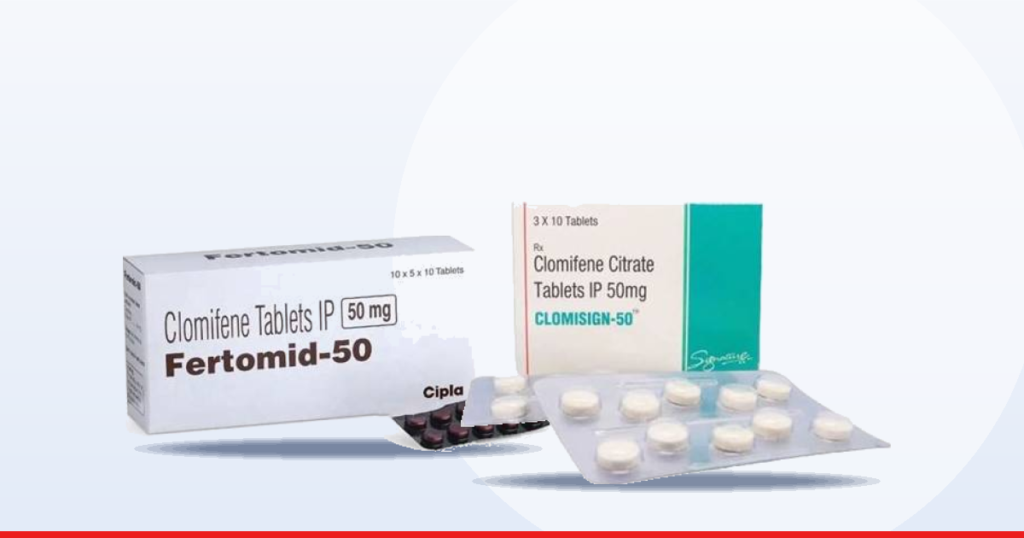
That split is why enclomiphene on its own is sold as a cleaner alternative. Common clomiphene brands include Fertomid, Clofi 50, Clomisign and Clofert, usually as 25 mg or 50 mg tablets.
How Clomid works in PCT
After a cycle, high androgen and estrogen levels have told your brain to stop sending LH and FSH. Clomiphene blocks estrogen receptors in the hypothalamus. The brain then sees “low estrogen” and increases GnRH, which drives the pituitary to release LH and FSH. LH restarts testosterone production in the testes, and FSH supports sperm production.
In clinical studies of men with secondary hypogonadism, clomiphene has repeatedly raised LH and testosterone, often back into the normal range. That makes it the best-studied SERM for this purpose. Studies in former steroid users are smaller, but point the same way.
Clomid PCT dosage
The protocols most often described in harm-reduction literature are below. They are a basis for a conversation with a doctor, not a prescription. Doses are per day.
Standard: 50/50/25/25
- Week 150 mgclomiphene
- Week 250 mgclomiphene
- Week 325 mgclomiphene
- Week 425 mgclomiphene
Low and steady: 25 mg a day or every other day
Clinical use for low testosterone in men is often just 25 mg a day or every other day, and that is frequently enough to normalise LH. It is a sensible choice if you are sensitive to Clomid’s mood effects.
Older “100 mg” protocols
Older PCT plans began with 100 to 150 mg a day. Higher doses do not raise LH meaningfully more, but they do make visual and mood side effects more likely. Most current protocols stay at 50 mg or below.
Combined with Nolvadex: after long or heavy cycles some people run clomiphene 50/50/25/25 mg with tamoxifen 40/40/20/20 mg. This doubles the side-effect risk for uncertain benefit, so a single SERM is usually the first choice. See Nolvadex vs Clomid.
When to start Clomid PCT
- Short esters (testosterone propionate, trenbolone acetate): 2 to 3 days after the last injection
- Long esters (testosterone enanthate or cypionate): 10 to 14 days
- Nandrolone decanoate or boldenone: about 3 weeks
- Orals: 1 to 3 days
If you used HCG, finish it before or as clomiphene starts. Details are in When to start PCT.
Side effects of Clomid
- Mood: irritability, emotional swings, low mood or anxiety. This is the most common complaint and often improves at a lower dose.
- Visual disturbances: blurred vision, flashes, floaters or afterimages. Stop immediately and see a doctor. They usually resolve, but continuing the drug is not safe.
- Headaches and hot flushes
- Higher estradiol: as LH and testosterone rise, estradiol rises with them, which some people feel as water retention or nipple sensitivity
- Rarely, blood clots, as with any SERM
Stop Clomid and get medical advice for any change in vision, and get urgent help for chest pain, breathlessness or a painful, swollen leg.
Clomid vs enclomiphene
Enclomiphene contains only the LH-raising isomer, without zuclomiphene. It clears quickly, does not build up, and in trials raised testosterone with fewer mood complaints than clomiphene. It is typically used at 12.5 to 25 mg a day. The drawback is less real-world PCT experience. For people who did badly on Clomid, it is a reasonable option to discuss with a doctor.
Buy clomiphene (Clomid)
-
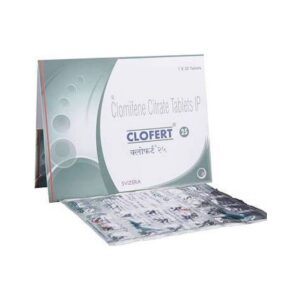
Clomifene
Price range: $4.12 through $16.76 Select options This product has multiple variants. The options may be chosen on the product page -
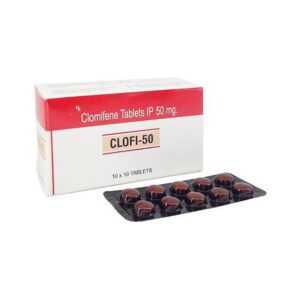
-
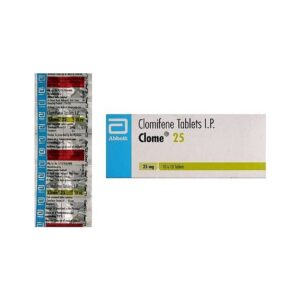
Clomiphene
Price range: $6.44 through $9.20 Select options This product has multiple variants. The options may be chosen on the product page -
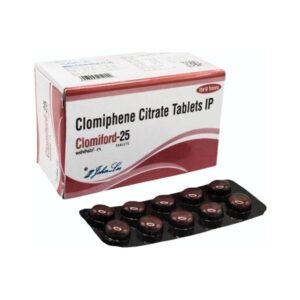
See all clomiphene products, enclomiphene, or the full Post Cycle Therapy range.
Medical disclaimer. This article is general information, not medical advice. The medicines it discusses are prescription-only in most countries and are used off-label for post cycle therapy. Talk to a doctor before starting, stopping or changing any medicine, get bloodwork done, and seek medical help straight away for chest pain, shortness of breath, leg swelling or changes in your vision.