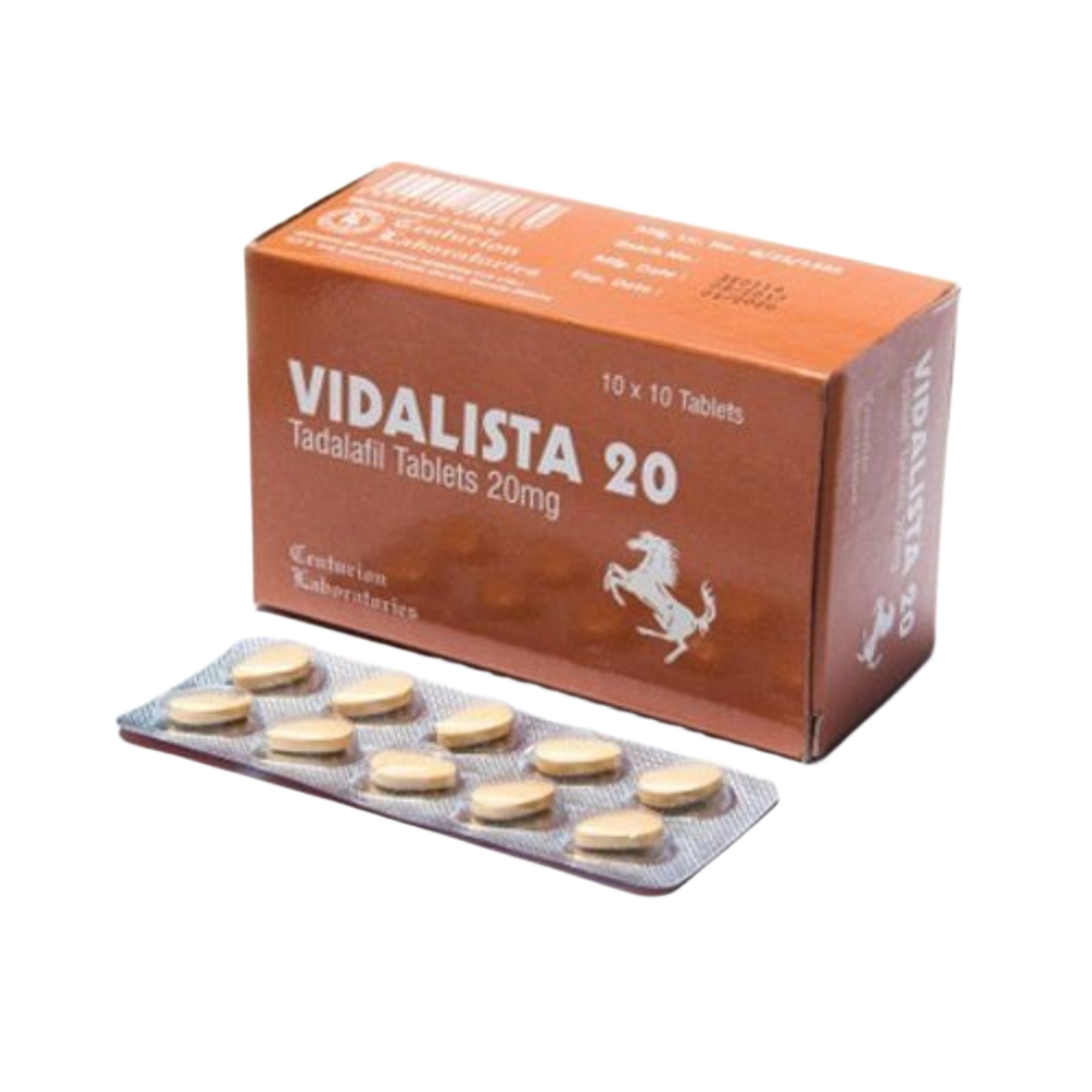
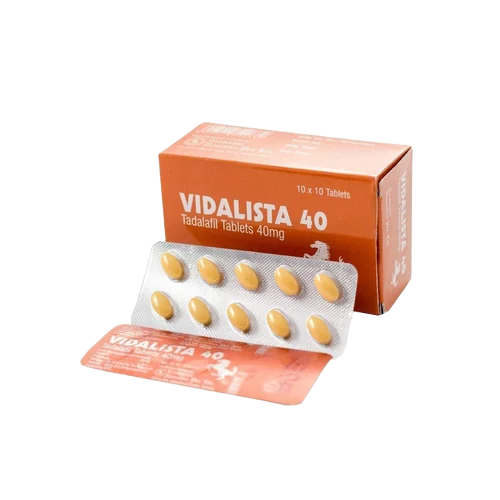
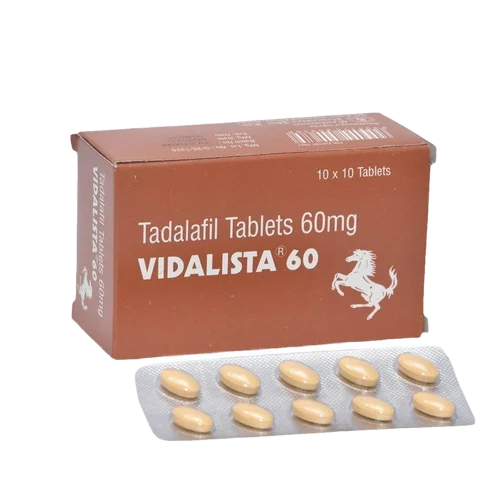
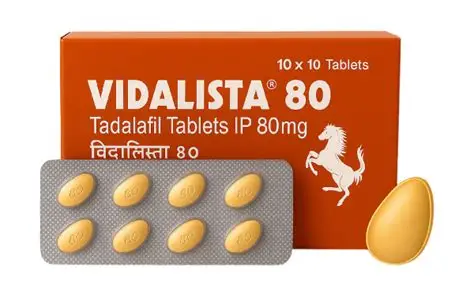
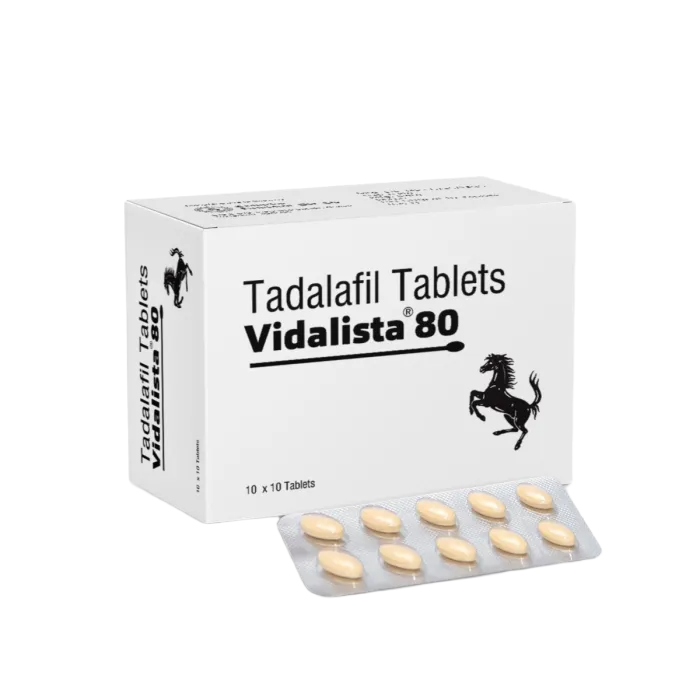

Pharmacological Profile: Tadalafil (Vidalista) – This is being shipped directly from our US Domestic warehouse, arriving at your doorstep quickly and safely.
Overview and Mechanism of Action
Tadalafil is a potent, selective phosphodiesterase type 5 (PDE5) inhibitor.2 Its primary biological function involves the inhibition of the PDE5 enzyme, which prevents the degradation of cyclic guanosine monophosphate (cGMP) in the smooth muscle cells of the vasculature. This results in prolonged vasodilation and increased blood flow to specific tissues.3 Tadalafil is characterized by its significant half-life, providing a broader therapeutic window (up to 36 hours) compared to other first-generation PDE5 inhibitors.+1
Clinical Applications
- Facilitation of Vasodilation: Supports physiological responsiveness by enhancing nitric oxide-mediated smooth muscle relaxation.
- Hemodynamic Improvement: Enhances systemic and localized circulation to improve tissue oxygenation and responsiveness.4
- Therapeutic Versatility: Indicated for both PRN (pro re nata) administration and low-dose daily maintenance therapy for chronic management of erectile dysfunction or benign prostatic hyperplasia (BPH).
Administration Protocols
- Bioavailability: Peak plasma concentration ($C_{max}$) is typically achieved within 30 to 60 minutes post-ingestion.
- Dosing Constraints: Clinical guidelines suggest a maximum frequency of one dose per 24-hour period to mitigate the risk of cumulative systemic effects.5
- Metabolic Considerations: Absorption is not significantly altered by food intake, though high-lipid meals may slightly shift the time to peak concentration (6$T_{max}$).7
Adverse Reactions and Safety Profile
- Common Clinical Observations: Frequent side effects include cephalalgia (headache), vasodilation-induced flushing, and rhinitis (nasal congestion).
- Secondary Observations: Patients may report dyspepsia, vertigo, or localized myalgia.
- Ocular Effects: Rare instances of transient chromatopsia (vision color changes) or photosensitivity have been documented due to cross-reactivity with PDE6 isoenzymes in the retina.8